When Your Mind Knows You're Safe but Your Body Doesn't

You can know that you are safe and still have a body that does not believe you.
You can understand your childhood. Name the pattern. Recognize the trigger. Know exactly why you respond the way you do and still feel your chest tighten when someone becomes distant, your stomach drop when a text goes unanswered, or your entire body brace when life becomes uncertain.
This is one of the places where healing can become frustrating.
Because eventually you start thinking, I know better. Why am I still doing this?
But your nervous system was never built around what you know. It was built around what it learned it needed to do to keep you safe. For some of us, safety meant becoming hyperaware of everyone else's emotions. You learned to read the room before you learned to read yourself. For others, safety meant staying useful. Being responsible. Being the strong one. The dependable one. The person who did not need much because needing something felt dangerous, disappointing, or simply unavailable. And for some, safety meant leaving the body altogether. Numbing. Disconnecting. Staying busy. Thinking through everything because feeling it was too much.
These responses are not random. They are intelligent adaptations. The problem is that the body does not automatically stop using a survival strategy simply because the danger has passed. Sometimes the environment changes before the nervous system does.
You may have built a life that is safer than the one you came from and still struggle to rest inside of it. You may be surrounded by people who love you and still anticipate abandonment. You may finally have choices and still feel urgency around every decision.
That does not mean your healing is not working.
It may mean your healing is asking to move beyond understanding and into embodiment.
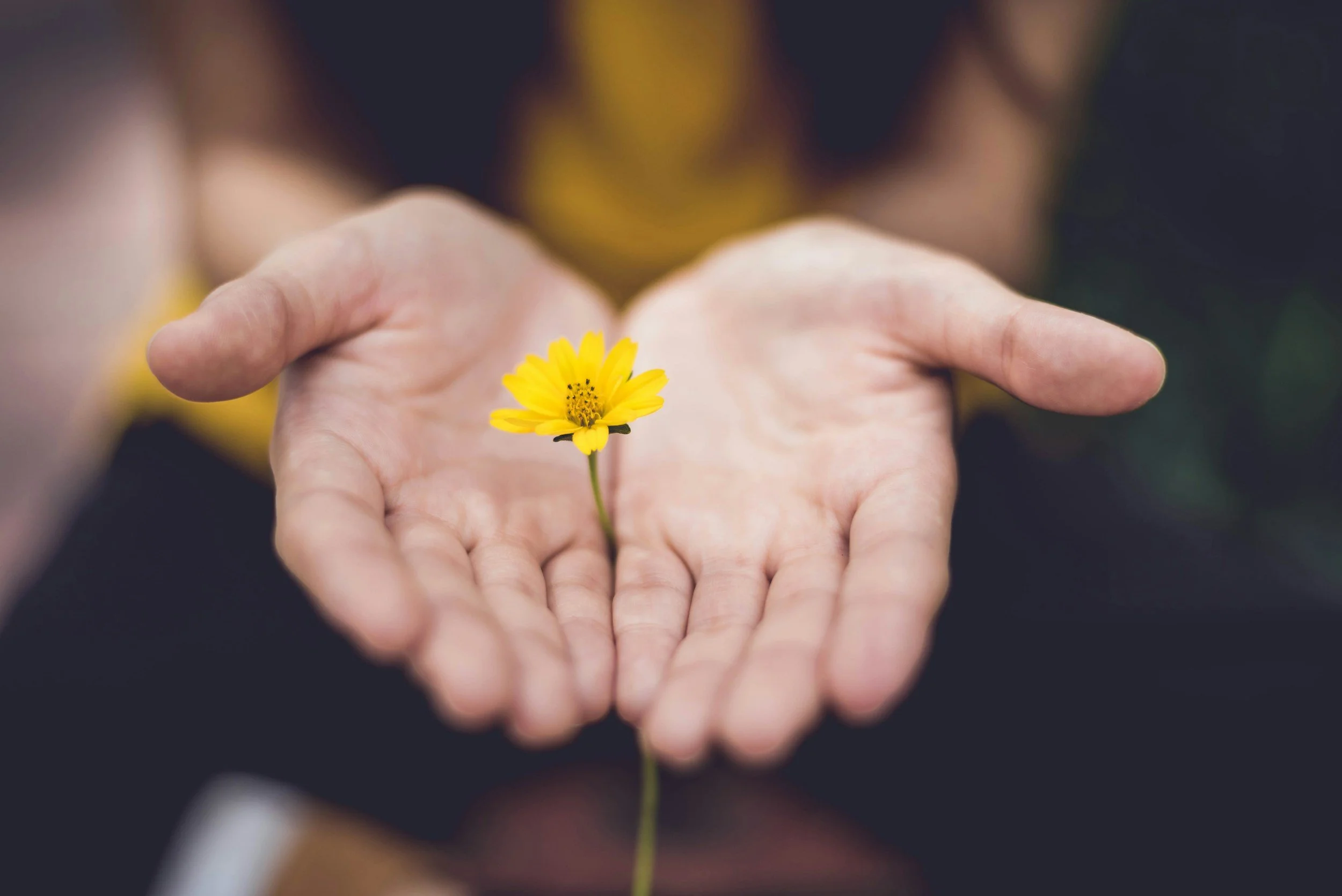
There is a difference between knowing you are safe and experiencing safety. Safety can look like noticing your shoulders touching your ears and letting them drop. It can look like taking one breath before responding instead of immediately trying to fix what feels uncertain. It can look like recognizing that someone's disappointment does not automatically mean you have done something wrong. It can look like allowing yourself to receive help without immediately planning how you will repay it. It can look like sitting still long enough to notice how uncomfortable stillness actually feels.
This is why nervous system work cannot simply become another thing we perform correctly.
Regulation is not about being calm all the time. A regulated nervous system still experiences anger, grief, fear, excitement, desire, and uncertainty. The goal is not to become untouched by life. The goal is to build enough internal safety to experience what is happening without abandoning yourself inside it.
And that takes practice.
Not perfection. Not constant self-monitoring. Practice.
Sometimes the practice is breathwork or movement. Sometimes it is therapy. Sometimes it is crying with someone who does not rush to make the tears stop. Sometimes it is saying no and surviving the discomfort afterward. Sometimes it is noticing the urge to disappear, over-explain, overwork, or overgive and choosing to stay with yourself instead.
This is where healing moves from the mind into the body.
You stop asking only, Why am I like this? And begin asking, What does my body believe is happening right now? What is it trying to protect me from? What would help me stay here without abandoning myself?

Those questions create a different relationship with the parts of you that learned how to survive. Instead of fighting them, you begin listening. Instead of shaming the response, you become curious about what created it. Instead of forcing yourself to "move on," you slowly show your body that something different is possible now.
This is the work of returning. Returning to your body. Returning to choice. Returning to relationships where you do not have to disappear to remain connected. Returning to a pace that allows you to hear yourself. Returning to the parts of you that survival once required you to leave behind. Your nervous system does not need another person demanding that it heal faster. It needs experiences that make safety believable.
And sometimes, healing is simply the slow accumulation of those experiences until one day you realize you are no longer bracing quite as hard for a life that is already here.
September inside Poder Healing centers on nervous system safety, embodiment, and learning how to stay connected to yourself while life is happening. There are different doors into this work through therapy, Soul Healing, Community Healing Access, and BECOMING: The Rooted Collective. You do not have to enter through all of them. Begin with the space that feels able to meet you where you are.
